
Blog
Panel Saw vs. Table Saw for Cabinet and Millwork Production

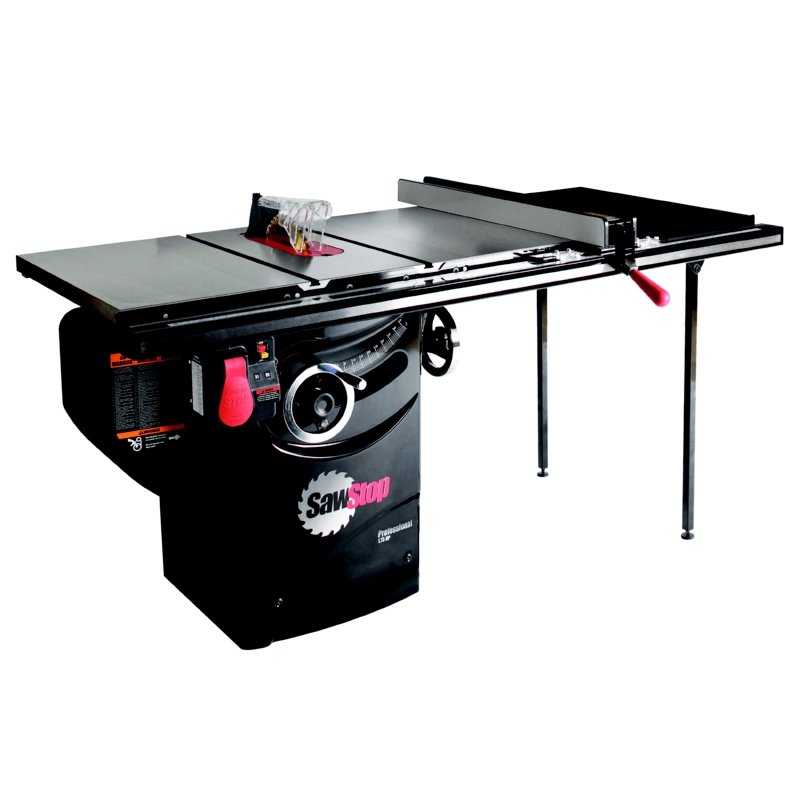
The right saw depends on sheet size, cut sequence, required throughput and how operators move material through the shop.
Table saws, sliding table saws, vertical panel saws and beam or horizontal panel saws can all cut sheet goods. They solve different production problems and place different demands on labor, floor space and material handling.
When a table or sliding table saw fits
A table saw can support varied solid-wood and panel work with familiar tooling and a compact workflow. A sliding table expands panel capacity and gives the operator a controlled carriage for crosscuts and sizing. These machines can be practical for mixed work, short runs and shops that need flexibility.
When a panel saw becomes valuable
A vertical panel saw reduces floor-space demand and can simplify handling for some sheet-sizing work. Horizontal and beam saws support repeatable production cut lists, multiple-sheet processing and organized material flow. Their value grows when volume, repeatability and cut-list control justify the dedicated process.
Compare the complete cut cycle
Do not compare blade travel alone. Measure the time to retrieve the sheet, load it, align it, complete all cuts, label parts, remove waste and stage finished components. The safest and most efficient choice often depends on handling as much as cutting.
Accuracy and cut quality
Confirm scoring capability for laminated panels, fence or positioning accuracy, blade availability and the expected edge requirement. When parts go directly to an edgebander, repeatability and chip control can affect the next operation.
Decision checklist
- Largest sheet and finished part dimensions
- Material type, thickness and surface
- Daily sheet volume
- Required cut-list optimization
- Scoring and edge-quality needs
- Available loading and outfeed space
- Operator handling requirements
- Dust extraction and electrical service
Choose around the production flow
A versatile saw may be the better purchase for varied work, while a dedicated panel system may reduce handling and improve repeatability in a high-volume cell. Map several common cut lists through each proposed process before deciding.
Important: Verify capacities, dust-control requirements, guarding, installation requirements and safe operating procedures with the current manufacturer documentation and qualified personnel before purchase or use.