
Blog
Woodworking Dust Collection Planning: Airflow, Ducting and Shop Layout

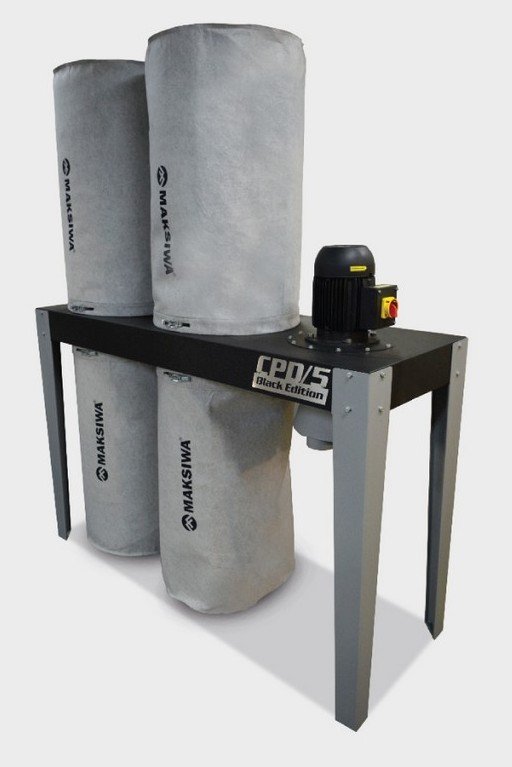
A dust collector is part of a system. Machine demand, duct layout, simultaneous use and waste handling determine whether that system performs as intended.
Wood dust affects housekeeping, finish quality, equipment condition and workplace safety. Effective collection begins at the source and requires current manufacturer data plus qualified system design.
Inventory every dust-producing machine
Record each machine’s port diameter, required airflow, static-pressure information, typical schedule and whether multiple ports must operate together. Note future machines so the main duct and collector are not immediately undersized.
Define simultaneous demand
A small shop may operate one or two machines at a time, while a production line can require several branches simultaneously. Blast gates can reduce active demand only when the operating procedure reliably closes unused branches.
Account for duct losses
Long runs, undersized ducts, flexible hose, elbows, transitions and dirty filters increase resistance. Keep routes direct, use appropriate duct materials and minimize unnecessary flexible hose. Collector ratings must be evaluated at the system’s operating resistance, not only at free air.
Plan filtration and waste handling
Filter selection affects fine-particle control and system resistance. Waste containers must match the volume and type of material. Review disposal frequency, safe access, spark or ignition hazards, and whether outdoor placement or additional protection is required.
Installation checklist
- Machine airflow requirements collected
- Simultaneous-use plan documented
- Duct sizes and losses calculated
- Filter and waste capacity confirmed
- Electrical requirements reviewed
- Inspection and cleaning access planned
- Applicable fire and safety requirements reviewed
Use qualified guidance
Combustible dust hazards and regulatory requirements are site-specific. Obtain current machine documentation and use qualified engineering, fire-protection, electrical and safety professionals where required. Never rely on a catalog airflow number as a complete system design.
Important: Verify capacities, dust-control requirements, guarding, installation requirements and safe operating procedures with the current manufacturer documentation and qualified personnel before purchase or use.