
Blog
Wide-Belt Sander Buying Guide: Size, Heads and Dust Collection

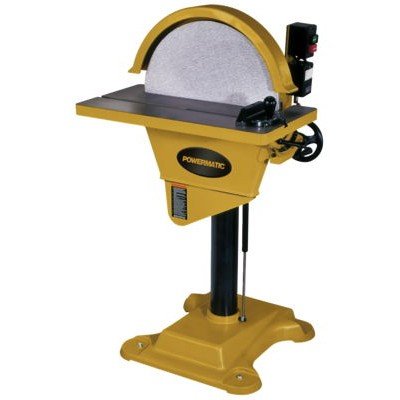
A wide-belt sander should be selected around the stock, finish target and required material-removal sequence.
Working width is the visible specification, but head configuration determines what the machine can do. Calibration, sealer sanding, veneer finishing and solid-wood dimensioning require different contact elements, abrasives and control.
Begin with the finish requirement
Identify incoming thickness variation, target thickness, material species, coating or veneer, desired scratch pattern and required throughput. Heavy stock removal and fine finishing should not be treated as the same operation.
Compare common sanding heads
- Contact drum: suited to calibration and controlled stock removal when properly configured.
- Combination head: balances stock removal and finishing flexibility.
- Platen: supports fine finishing with a larger contact area.
- Segmented pad: can respond to part geometry and support higher-quality finishing applications.
The number and sequence of heads determine whether one pass can complete the required abrasive progression.
Confirm working width and thickness range
Select enough width for the largest normal part, not merely the average part. Review minimum part length and thickness carefully; small components may require special handling or another process.
Plan extraction before installation
A wide-belt sander can generate a high dust load. Obtain the manufacturer’s airflow and connection requirements, size the duct path, confirm collector capacity and provide safe waste handling. Inadequate extraction can affect finish quality, housekeeping and machine reliability.
Review controls and repeatability
Digital thickness setting, automatic workpiece measurement, feed-speed control, abrasive tracking and fault diagnostics can reduce setup variation. Evaluate how operators will save or repeat settings across common products.
Buying checklist
- Working width and thickness range
- Head type and sequence
- Abrasive belt dimensions
- Feed-speed range
- Dust-port airflow requirement
- Compressed air and electrical service
- Abrasive and wear-part availability
Test with the real material
When finish quality is critical, evaluate representative stock and document the starting condition, abrasive sequence, feed rate and result. A controlled sample is more useful than a general promise about finish quality.
Important: Verify capacities, dust-control requirements, guarding, installation requirements and safe operating procedures with the current manufacturer documentation and qualified personnel before purchase or use.