
Blog
Edgebander Buying Guide: Edge Material, Glue System and Throughput

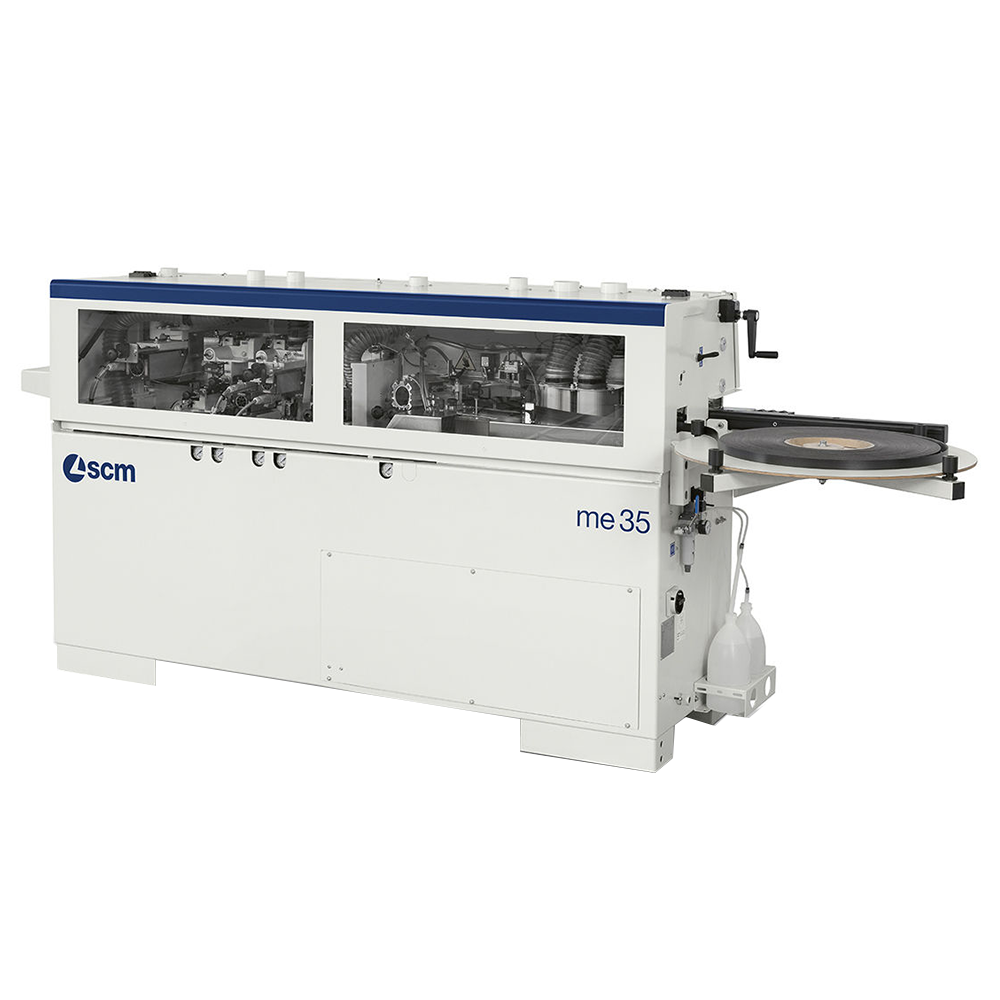
An edgebander should match the panel, edge material, adhesive process and finish standard required by the shop’s normal product mix.
Compact edgebanders can support flexible short-run work, while larger automatic lines can combine preparation, gluing, trimming, scraping, buffing and return handling. The right choice depends on more than feed speed.
Document the edge-material range
List the minimum and maximum panel thickness, edge thickness, coil or strip format, material type and required finished appearance. Thin PVC, thick solid-wood strips, veneer and specialty edges may require different feed, pressure and finishing configurations.
Compare adhesive systems
EVA and PUR adhesive processes differ in operating practice, bond performance, cleanup and maintenance. Some applications may use hot-air, laser or other zero-joint technologies. Confirm the exact edge and substrate compatibility, warm-up procedure and operator responsibilities.
Choose the necessary stations
- Pre-milling: prepares the panel edge before adhesive application.
- End trimming: removes excess edge length.
- Top and bottom trimming: brings the edge flush with the panel.
- Corner rounding: finishes profiled corners on appropriate parts.
- Scraping and buffing: refine the edge and remove process marks.
Every station adds capability, space, setup and maintenance. Buy the sequence required by the product—not every available option.
Evaluate real throughput
Feed speed matters only when loading, part spacing, changeover and offloading are organized. Mixed colors, thicknesses or adhesive changes can reduce average output. Consider a return conveyor or second operator when panel handling limits the line.
Facility and ownership checklist
- Panel and edge-material range
- Adhesive system and cleanup plan
- Required machining stations
- Compressed air and electrical service
- Dust extraction connections
- Infeed, outfeed and return space
- Training, tooling and wear parts
Run sample panels
Representative samples reveal glue-line appearance, trimming quality, corner finish and changeover requirements. Document the material, adhesive, feed speed and machine configuration used for every comparison.
Important: Verify capacities, dust-control requirements, guarding, installation requirements and safe operating procedures with the current manufacturer documentation and qualified personnel before purchase or use.