
Blog
Industrial Equipment Delivery Checklist: How to Receive Freight Without Surprises

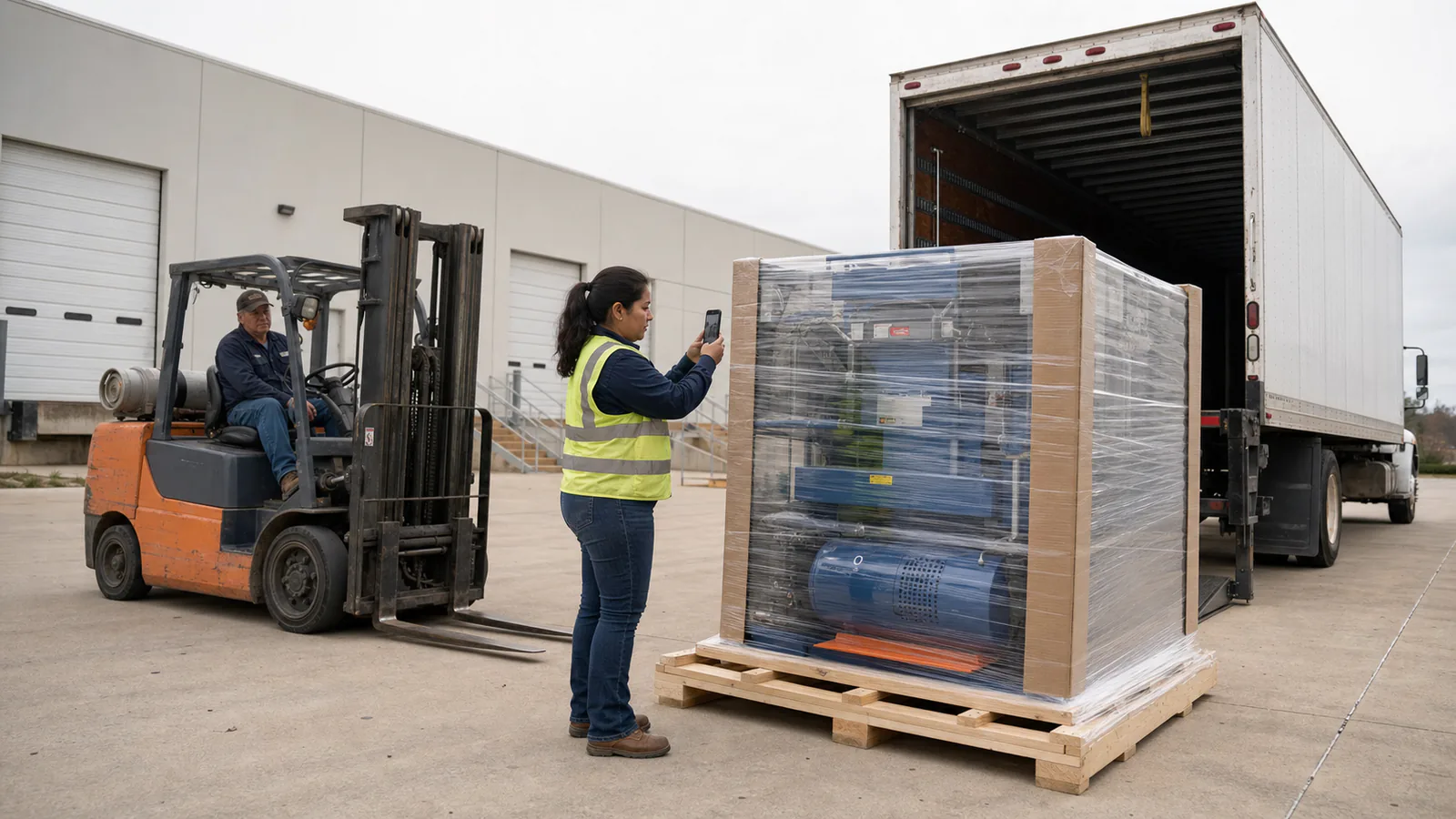
Prepare for machinery freight delivery, inspect the shipment, document visible or concealed damage and protect your installation schedule.
Industrial machinery does not arrive like a parcel left at the front door.
The shipment may come on a pallet, in a crate, by less-than-truckload freight, on a dedicated truck or through a specialized carrier. The driver may need an appointment. The facility may need a dock, forklift, crane or rigger. Someone must inspect the freight before signing.
A prepared receiving team protects the equipment and the installation schedule. Use this checklist from order confirmation through uncrating.
Before the order ships
Give GT Machinery Solutions complete delivery information:
- Legal company and site name
- Full delivery address
- Receiving contact and mobile number
- Receiving hours and time zone
- Commercial, residential or limited-access location
- Dock availability
- Forklift or crane availability
- Gate, security or appointment requirements
- Road, height or vehicle restrictions
- Construction or temporary access conditions
Do not use a billing-office contact if that person cannot coordinate the delivery. The carrier needs someone who understands the receiving site.
Understand the delivery estimate
GT Machinery Solutions’s normal freight transportation estimate is 7–14 business days after carrier pickup.
Processing, payment verification, manufacturer lead time and preparation occur before pickup and are not included in that transportation period. Delivery dates are estimates, not guarantees. Weather, routing, carrier capacity, appointments and access conditions can change timing.
GT Machinery Solutions works with Logistica Cargonam and may use other transportation providers as required by the shipment.
Confirm what the carrier will and will not do
Standard freight delivery does not automatically include:
- Liftgate service
- Inside delivery
- Uncrating
- Rigging
- Final positioning
- Assembly
- Installation
- Debris removal
If the site needs a special service, request it before shipment. Availability and added charges may depend on equipment size, weight and destination.
The safest assumption is that the receiving facility is responsible for unloading unless the order documents state otherwise.
Match unloading equipment to the shipment
Obtain shipping weight, dimensions, crate count and approved handling instructions.
Confirm:
- Forklift rated capacity at the actual load center
- Fork length and pallet access
- Dock or ground-level delivery arrangement
- Crane or rigger where required
- Trained equipment operators
- Clear unloading zone
- Safe temporary storage
- Weather protection
Do not improvise with undersized lifting equipment. A forklift’s nameplate capacity can change with load center and attachments.
Prepare the delivery area
At least one business day before the expected appointment:
- Clear vehicles and stored material from the route.
- Mark the unloading area.
- Confirm dock access.
- Charge and inspect the forklift.
- Verify rigging reservations.
- Notify security and receiving personnel.
- Print the purchase order and expected packing information.
- Assign one person to inspect and sign.
- Have a phone or camera ready for photographs.
If the machine will not be installed immediately, prepare a dry, secure storage location and follow manufacturer storage instructions.
Inspect before signing
The delivery receipt is an important record. Do not sign automatically.
Walk around the shipment and look for:
- Torn, crushed or punctured packaging
- Broken bands or stretch wrap
- Shifted equipment
- Dented panels or exposed surfaces
- Damaged skid or pallet
- Water exposure
- Missing crates or pallets
- Mismatch between labels and documents
Photograph all sides before unloading when possible. Take close photographs of damage and wider images showing the complete shipment.
Write specific damage notes
If visible damage or shortage exists, describe it on the carrier’s delivery document before signing.
Useful notes are specific:
- “Crate punctured on control-cabinet side.”
- “One of three pallets missing.”
- “Machine shifted from skid; two bands broken.”
- “Lower right enclosure visibly dented.”
General notes such as “subject to inspection” may not describe the observed condition. Keep a copy or clear photograph of the signed document.
If damage appears severe, contact GT Machinery Solutions promptly for guidance when circumstances allow. Do not operate visibly damaged equipment.
Unload according to approved instructions
Use the designated lifting points and handling method. Keep people clear of suspended or unstable loads.
Do not lift from sheet-metal covers, controls, tables or other surfaces unless the manufacturer identifies them as lifting points. Do not remove shipping braces until the instructions direct it.
Move the shipment to the prepared inspection or staging area. Avoid placing it where it blocks production or emergency access.
Inspect for concealed damage
Packaging can look intact while the equipment inside is damaged.
After delivery:
- Photograph the unopened shipment.
- Remove packaging carefully.
- Retain the crate, pallet and protective material.
- Compare the contents with the packing information.
- Inspect frames, covers, controls, motors, cylinders, tables and accessories.
- Photograph any damage before moving or repairing the affected area.
- Contact GT Machinery Solutions promptly with the order number and documentation.
Do not discard packaging until the inspection is complete. Carrier and claim procedures may require evidence.
Separate freight damage from startup issues
Freight damage, missing components and operational problems require different information.
Freight damage report
Include:
- GT Machinery Solutions order number
- Delivery date
- Carrier and shipment reference
- Delivery-receipt notes
- Photographs of packaging and equipment
- Description of visible or concealed damage
Missing-item report
Include:
- Packing information
- Missing crate, pallet, accessory or component
- Photographs of everything received
Startup or technical issue
Include:
- Model and serial number
- Installation status
- Voltage and utility confirmation
- Error messages
- Photographs or video where safe
- Steps already taken under the manual
Do not energize equipment merely to determine whether shipping damage affected operation. Follow installation and commissioning instructions.
Plan address changes early
Contact GT Machinery Solutions immediately if the delivery address or receiving contact changes.
Once freight is in transit, reconsignment may require carrier approval and can produce delay, storage, re-delivery or address-change charges. Some changes may not be possible.
Delivery-day checklist
Before arrival
- Receiving contact available
- Appointment confirmed
- Unloading area clear
- Forklift, crane or rigger ready
- Shipment weight and dimensions reviewed
- Expected crate or pallet count known
- Camera ready
At arrival
- Count items
- Inspect all sides
- Photograph shipment
- Record visible damage or shortage
- Retain signed delivery document
- Unload using approved points
After unloading
- Photograph before uncrating
- Inspect for concealed damage
- Compare contents with documents
- Preserve packaging
- Report problems promptly
- Store or position according to instructions
Frequently asked questions
Does the driver unload the machine?
Not unless unloading or another special service is included in the written delivery arrangement. Confirm responsibility before shipment.
How long does freight shipping take?
The normal estimate is 7–14 business days after carrier pickup. Processing and manufacturer lead time are separate.
Should I sign if the crate is damaged?
Inspect the shipment, describe visible damage specifically on the delivery document and preserve photographs. For severe damage, contact GT Machinery Solutions promptly for guidance when possible.
What if damage appears after uncrating?
Stop installation, preserve packaging, photograph the condition and contact GT Machinery Solutions promptly with the order and shipment information.
Can the delivery address be changed after shipment?
Possibly, but carrier approval, delay and additional charges may apply. Contact GT Machinery Solutions immediately.
Make receiving part of the purchase plan
Industrial delivery succeeds when the carrier, receiving team, unloading equipment and site are ready at the same time. Give GT Machinery Solutions complete site information early and keep the receiving contact available as the shipment moves.
CTA: Review Shipping and Delivery
Related reading
Sources
- Logistica Cargonam
- GT Machinery Solutions Shipping Policy
- GT Machinery Solutions Return Policy
Important: Verify capacities, guarding, installation requirements and safe operating procedures with the machine manufacturer, current manuals and qualified personnel before purchase or use.