
Blog
Woodworking Boring and Doweling Machine Selection Guide

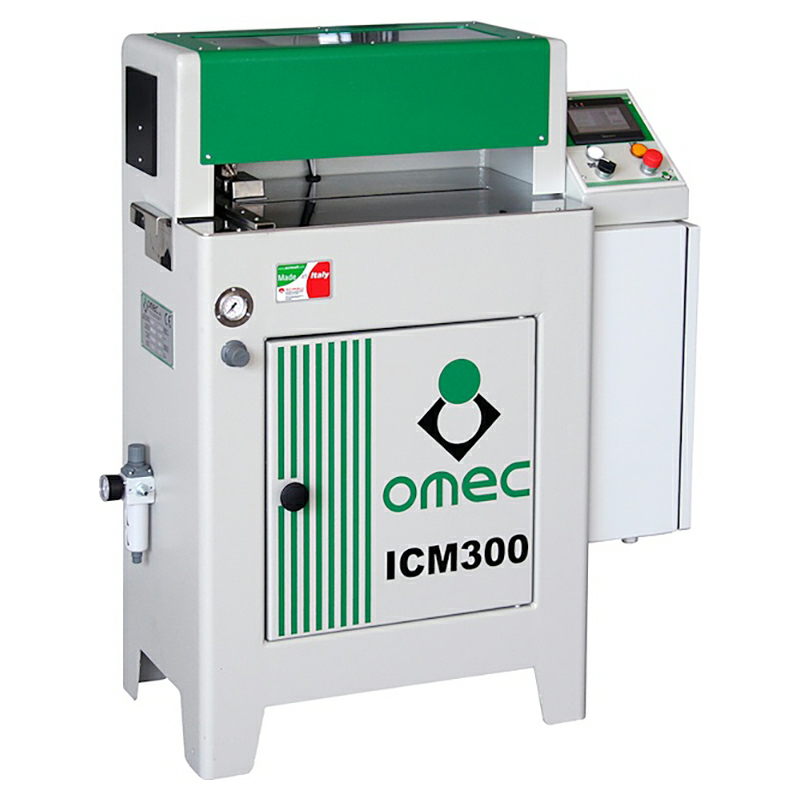
Boring and doweling equipment should match the joint, the part family and the number of setups—not simply the number of spindles.
Cabinet boxes, furniture components and casework require consistent hole location and depth. The right machine can reduce layout and handling, but only when its drilling pattern and controls match the shop’s products.
Define every required operation
List horizontal and vertical holes, construction-boring patterns, hinge cups, shelf pins, dowel diameter, insertion depth and adhesive requirements. Note whether several faces must be processed in one setup and whether parts are already labeled or bar-coded upstream.
Compare machine formats
- Single- and multi-spindle borers: practical for repeatable patterns and focused operations.
- Hinge-boring machines: designed around cup and fastener patterns for door hardware.
- Point-to-point CNC machines: flexible for varied patterns, routing and multiple faces where configured.
- Bore-and-insert systems: combine drilling with glue and dowel insertion for selected assembly workflows.
Measure setup time
A fast drilling cycle can be offset by frequent manual repositioning. Compare stops, fences, program storage, barcode integration and changeover procedure. Shops with varied work may benefit more from flexible programming than from maximum spindle count.
Control accuracy through the process
Hole location depends on part squareness, reference surfaces, clamping, tool condition and program control. Document acceptable positional tolerance and inspect representative assemblies. Tooling and maintenance procedures should be included in the comparison.
Plan utilities and material flow
Confirm electrical service, compressed-air quality, dust connections and access for maintenance. Provide organized infeed and outfeed so finished faces are protected and left/right parts do not become mixed.
Selection checklist
- Hole diameters, depths and patterns
- Maximum and minimum part dimensions
- Faces processed per setup
- Dowel glue and insertion requirements
- Program, barcode and data workflow
- Power, air, extraction and service access
Provide part drawings and a representative product mix when requesting equipment guidance. A pattern-by-pattern review is the most reliable way to compare boring and doweling systems.
Important: Confirm capacities, guarding, dust-control requirements, utilities, installation instructions and safe operating procedures in the current manufacturer documentation with qualified personnel before purchase or use.