
Blog
How to Choose a Power Feeder for Saws and Shapers

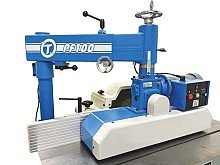
A power feeder can make a repetitive process more consistent when its speed, wheel arrangement and mounting system match the machine and stock.
Power feeders are used with shapers, saws, sanders and other machines to move stock at a controlled rate. They are not a substitute for required guarding or safe operating procedures, and every installation must follow the feeder and host-machine documentation.
Define the stock and operation
Record material type, width, thickness, length, surface condition and the direction of feed. Note whether the process is straight, angled or contoured and how much pressure is required to maintain the reference surface without deforming the work.
Choose a useful speed range
Feed speed affects finish, cutter loading and output. Multiple fixed speeds may suit repeat work, while variable speed can help a mixed-production shop tune the process. Confirm that the selected range overlaps the recommended cutting conditions for the tooling and material.
Compare wheel configuration
Wheel number, diameter, width, material and spacing influence contact and control. Longer or uneven stock may need more contact points. Check minimum workpiece dimensions and verify that pressure and wheel placement will not interfere with the cutter or guard.
Plan the mounting position
The stand or bracket must allow repeatable positioning while staying rigid under load. Review table thickness, mounting surface, adjustment range and clearance for fences, guards, extraction and operator access. Include the space required to swing the feeder away for setup.
Confirm rotation and electrical details
Verify feed direction, reversible operation where required, voltage, phase and control location. The electrical installation and any interlocking must be reviewed by qualified personnel using current documentation.
Selection checklist
- Stock size and surface condition
- Required feed-speed range
- Wheel count, size and material
- Feed direction and reversibility
- Mounting location and adjustment range
- Power, guarding and dust-clearance review
Test the feeder with representative stock and the intended cutting setup. The correct configuration should support controlled, repeatable feed while preserving the machine’s documented safety system.
Important: Confirm capacities, guarding, dust-control requirements, utilities, installation instructions and safe operating procedures in the current manufacturer documentation with qualified personnel before purchase or use.