
Blog
Woodworking Machinery Delivery and Installation Checklist

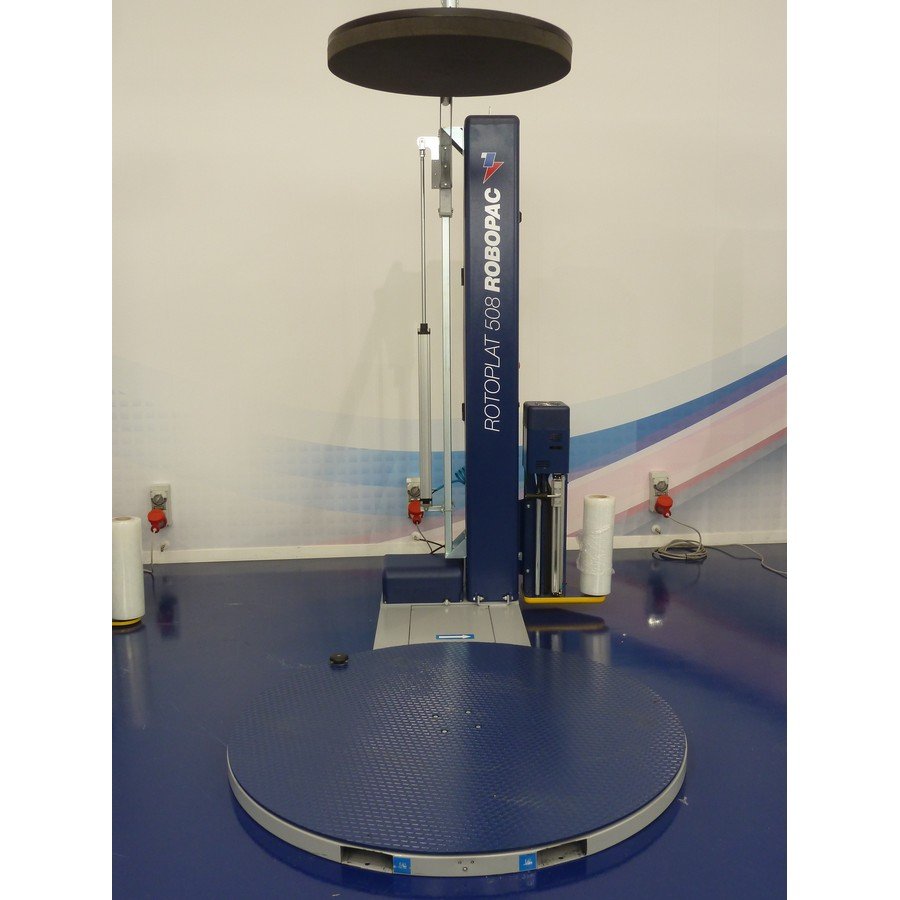
Successful installation begins before the carrier arrives. Confirm the receiving path, utilities, extraction and responsibilities in writing.
Woodworking machinery can arrive by parcel, ground, LTL, flatbed or specialized freight. Large CNC routers, sanders, saws, dust collectors and production lines may require forklifts, rigging and planned utility work. A simple pre-delivery review protects the schedule.
Confirm the ordered configuration
Review the model, options, voltage, phase, accessories, tooling and documentation before shipment. Compare the order acknowledgement with the current manufacturer specifications and identify anything that must arrive separately.
Map the complete receiving route
Measure gates, dock openings, doors, aisles, ceiling height, turning space and floor transitions. Use packed dimensions and weight, not only the assembled machine dimensions. Confirm whether the carrier can access the site and where the shipment can be safely transferred.
Assign unloading responsibility
Standard freight delivery does not automatically include a forklift, crane, rigging, inside placement or installation. Arrange rated equipment and qualified personnel in advance. Residential delivery or liftgate service must be requested when required and may carry additional charges under the published shipping policy.
Prepare utilities and extraction
Verify voltage, phase, full-load current, disconnect requirements, compressed-air quality, network needs and dust-extraction connections. Coordinate licensed electrical work and qualified dust-system design. Do not energize a machine until installation requirements have been met.
Inspect before signing
Examine the crate, wrapping and exposed surfaces while the driver is present. Note visible damage or missing pieces on the delivery receipt, take photographs and retain packaging. Report concealed damage promptly according to the carrier, seller and manufacturer instructions.
Pre-arrival checklist
- Model, options and utilities confirmed
- Packed weight and dimensions obtained
- Carrier access and receiving appointment planned
- Forklift, crane or rigger capacity verified
- Foundation, floor and service clearances ready
- Power, air and dust extraction prepared
- Inspection and damage-reporting responsibility assigned
Keep the order, packing list, delivery receipt and photographs together. A documented receiving plan makes it easier to move from delivery to installation, commissioning and operator training without avoidable delays.
Important: Confirm capacities, guarding, dust-control requirements, utilities, installation instructions and safe operating procedures in the current manufacturer documentation with qualified personnel before purchase or use.