
Blog
Jointer vs. Planer: Choose the Right Machines for Stock Preparation

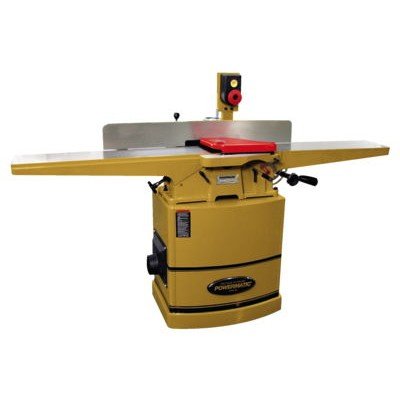
A jointer creates a reliable reference face and edge. A planer makes the opposite face parallel and brings stock to a repeatable thickness. Most production shops need both functions.
Rough lumber rarely arrives flat, straight and consistent enough for accurate assembly. Understanding the sequence of stock preparation prevents a common buying mistake: expecting one machine to correct defects that require the other process.
What a jointer does
A jointer flattens one face and straightens one edge by passing the board across an infeed table, cutterhead and outfeed table. It establishes the first reference surfaces. Bed length, fence stability, cutterhead design and usable width affect how confidently an operator can prepare long or wide stock.
What a planer does
A planer references the already flattened face against its bed and cuts the opposite face parallel. It controls final thickness and can process stock efficiently when infeed, outfeed and dust extraction are organized. A planer does not reliably remove twist when the reference face is not already flat.
Size both machines around normal work
- Document the widest and longest routine stock.
- Compare maximum cut depth with the material-removal plan.
- Review feed speed against daily board-foot volume.
- Allow space for full-length infeed and outfeed support.
- Confirm cutterhead, knife and insert availability.
- Match dust ports to a properly designed collection system.
Workflow matters more than nameplate capacity
A wide machine may still become a bottleneck if material queues, lifting or repeated passes consume labor. Map the sequence from rough stock storage through jointing, planing, ripping and final machining. Mobile carts, roller support and planned staging can improve output without changing spindle horsepower.
Compare surface quality and maintenance
Straight-knife, segmented and helical-style cutterheads differ in cut character, noise, maintenance and replacement cost. Test representative species and grain conditions when finish quality matters. Include knife setting, insert rotation, bed cleaning and dust extraction in the ownership plan.
Selection checklist
- Maximum normal stock width and length
- Required finished thickness range
- Daily material volume and feed rate
- Cutterhead and tooling plan
- Dust extraction and electrical service
- Infeed, outfeed and handling space
Start with several representative boards and the required finished dimensions. That information makes it easier to compare a balanced jointer-and-planer workflow instead of selecting either machine by width alone.
Important: Confirm capacities, guarding, dust-control requirements, utilities, installation instructions and safe operating procedures in the current manufacturer documentation with qualified personnel before purchase or use.